
Reserves, limits, and payout policy
Size protection against the obligation it can actually cover.
A reserve only covers what it can reach
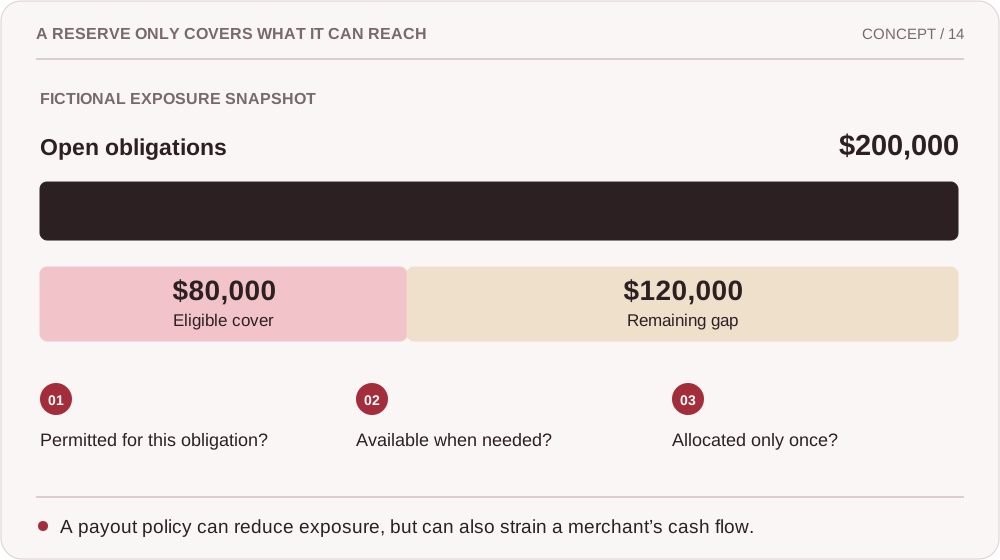
Enlarge to read every label and explore the connections
Compare open obligations with funds that are available and permitted for that purpose. A reserve balance is not automatically usable cover.
Start with the full open obligation.
Subtract only eligible, available cover.
Keep the remaining gap separate from expected loss.
A reserve is not a force field. It is money with an owner, a purpose, a release rule, and limits on use. A beautifully calculated reserve is useless if the funds are unavailable when the refund bill arrives.
Estimate the open obligation
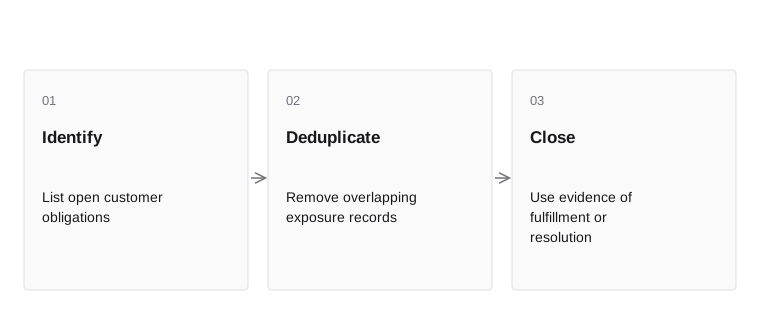
- IdentifyList open customer obligations
- DeduplicateRemove overlapping exposure records
- CloseUse evidence of fulfillment or resolution
Start with the exposure path: unsettled transactions, undelivered sales, pending refunds, and potential returns. Avoid adding overlapping measures that represent the same obligation. Define the event that closes each exposure.
For a simple advance-sale merchant, $200,000 in undelivered sales is a useful starting point. It is not automatically the final loss. Some goods may still be delivered, funds may remain available, and recoveries may occur. Use a gross exposure measure and a separate loss estimate. Keeping both avoids hiding a large obligation behind an optimistic recovery assumption.
Open exposure is a stock measured at a point in time. Payment volume is a flow measured over a period. Multiplying a month’s volume by an arbitrary percentage does not automatically produce the amount at risk. Start with the obligations still open: undelivered services, possible refunds under the relevant assumptions, disputed amounts, and other commitments. Then identify which obligations overlap so the model does not count the same purchase several times.
This distinction becomes visible when a business stops selling. New volume falls to zero, yet old fulfillment and refund obligations remain. A monitoring system that looks only at current processing volume may conclude that risk has disappeared just as the platform loses its easiest source of future offsets.
Inside the mechanism. Open obligation includes value whose related customer promise or recovery risk remains unresolved under the model. Its horizon can follow fulfillment, return, dispute, or repayment timing. State which obligations overlap so they are not added twice. Track the population by cohort and remaining maturity. A current balance is a snapshot; projected exposure also depends on new activity, payouts, and the rate at which old obligations close.
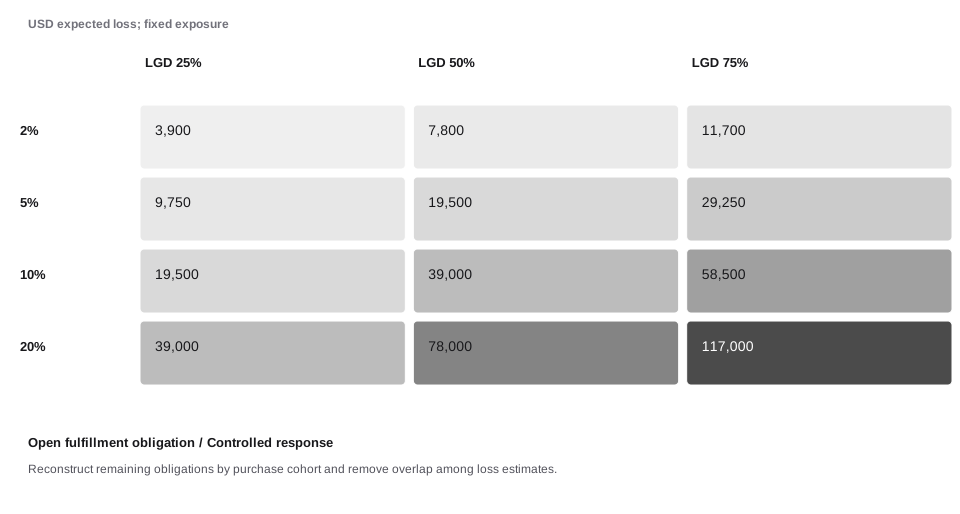
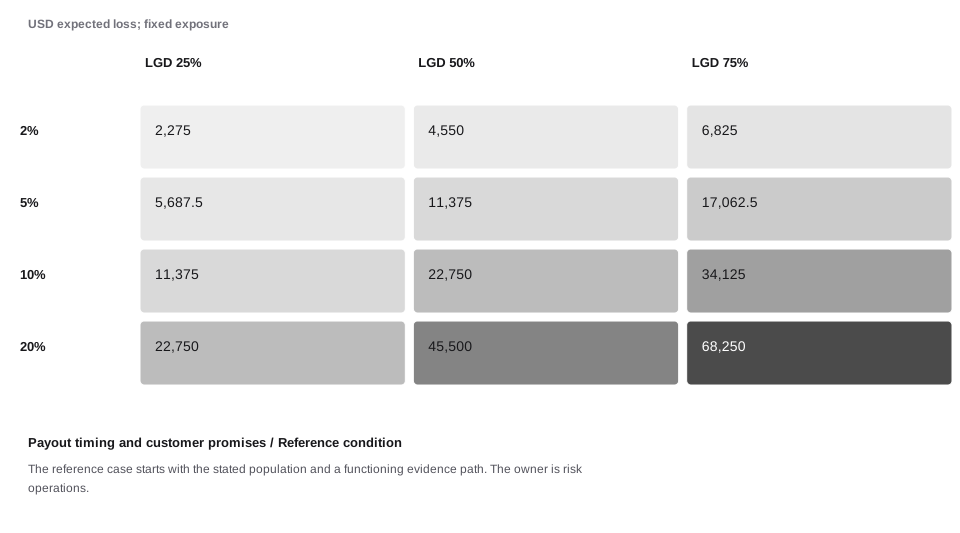
A concrete example. The exposure report measures promises still open today. Current payment volume is a flow and cannot replace the stock of undelivered obligations. The case has $780,000 of exposure. Its stated one-year PD and LGD imply $32,175.00 of expected loss, while the cover analysis leaves $543,000.00 of stress exposure. Monthly cash coverage is 0.86×. These are separate measures: one describes an average under probability assumptions, one describes available cover, and one describes a period’s funding capacity.
When the assumption fails. Processing volume falls to zero after the merchant stops selling, while refunds remain due. Reconstruct remaining obligations by purchase cohort and remove overlap among loss estimates. The following worked sequence shows the reference condition, a stress condition, and a response condition with explicit synthetic data. These are comparative assumptions, not measured causal effects.
The exposure report measures promises still open today. Current payment volume is a flow and cannot replace the stock of undelivered obligations.
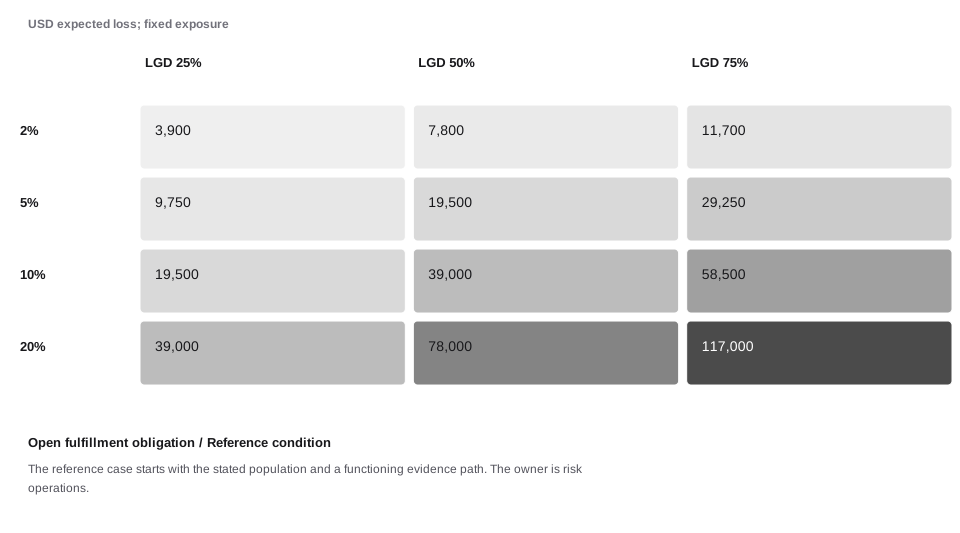
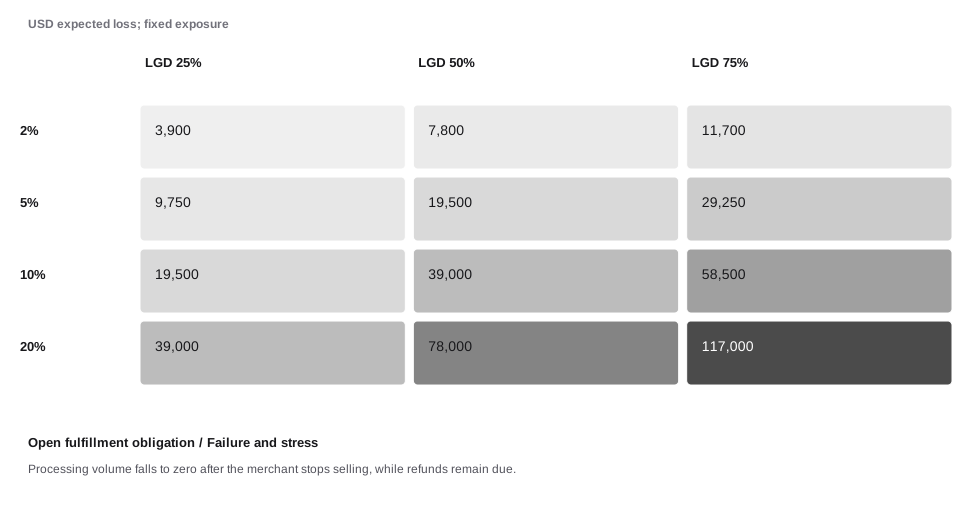
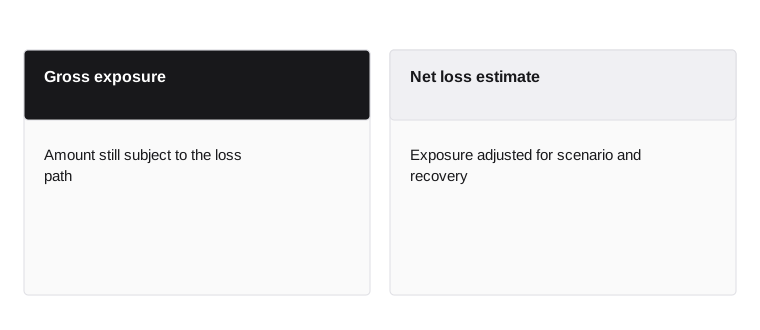
- Gross exposure
- Amount still subject to the loss path
- Net loss estimate
- Exposure adjusted for scenario and recovery
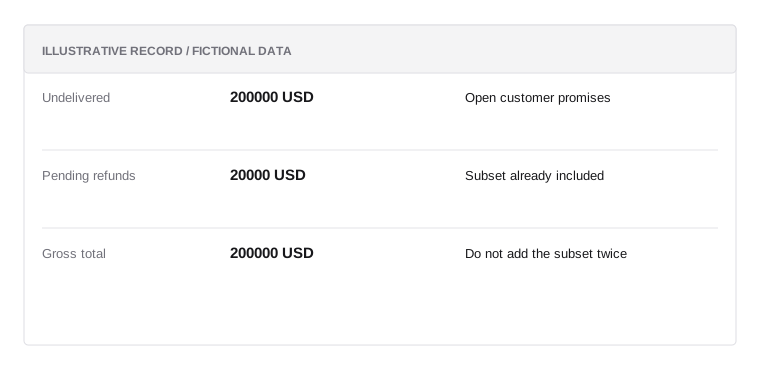
Advance-sale exposure
Illustrative data; not a real customer record or a prescribed policy.
- Undelivered200000 USD
Open customer promises
- Pending refunds20000 USD
Subset already included
- Gross total200000 USD
Do not add the subset twice
The same sale must not inflate exposure twice
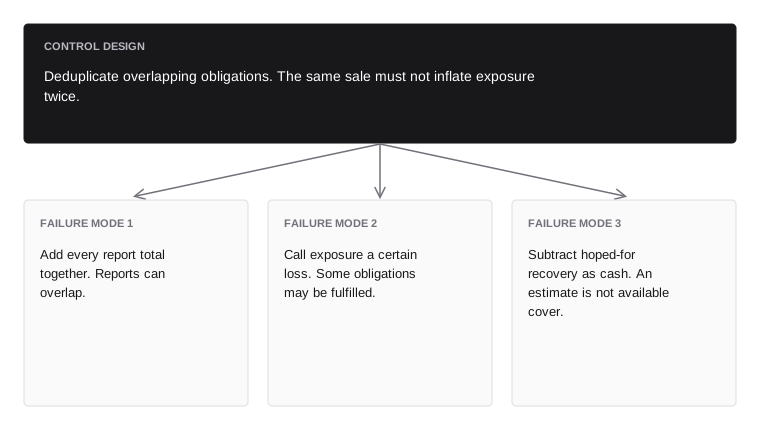
Deduplicate overlapping obligations. The same sale must not inflate exposure twice.
- Failure mode 1avoid
- Add every report total together. Reports can overlap.
- Failure mode 2avoid
- Call exposure a certain loss. Some obligations may be fulfilled.
- Failure mode 3avoid
- Subtract hoped-for recovery as cash. An estimate is not available cover.
Understand reserve structures
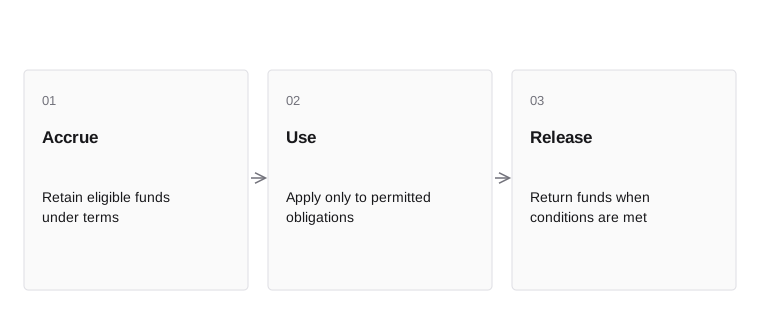
- AccrueRetain eligible funds under terms
- UseApply only to permitted obligations
- ReleaseReturn funds when conditions are met
A rolling reserve retains part of eligible volume for a defined period. A fixed reserve targets an amount. Other structures can combine conditions. The agreement determines ownership, permitted use, release, and any limits.
Model the reserve as a ledger with accruals, uses, and releases. A percentage without a release schedule cannot predict available protection. If 10 percent of $50,000 eligible sales is retained, the new accrual is $5,000 under this example. That does not establish the total reserve balance because earlier releases and uses may also occur. All percentages here are teaching assumptions, not market standards.
Inside the mechanism. A fixed reserve, rolling reserve, and delayed availability structure have different cash effects. State the funding base, release rule, eligible use, and ownership of the funds. A percentage without a time horizon does not explain how much cover exists when a loss arrives. Model reserve releases alongside obligation runoff. The same dollar should not be counted twice as both unrestricted liquidity and separately available loss cover.
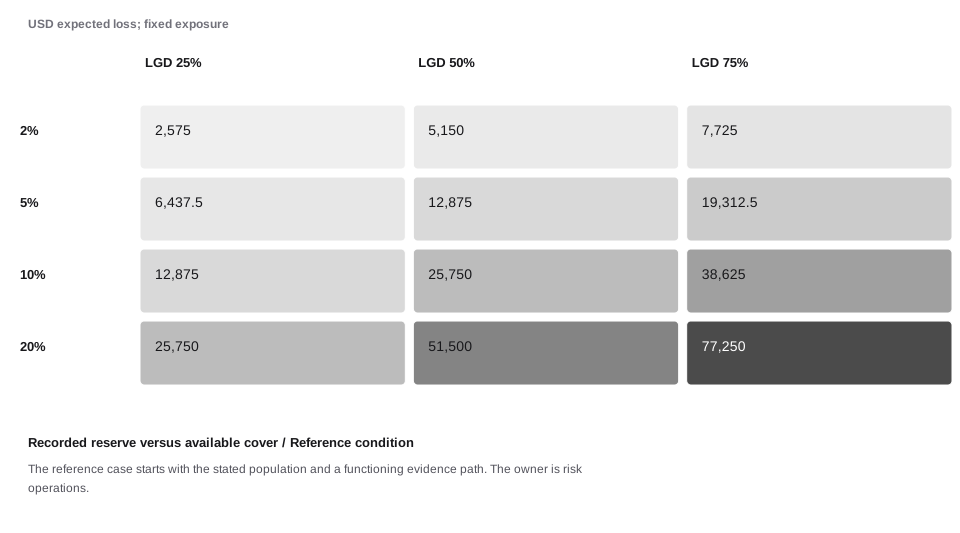
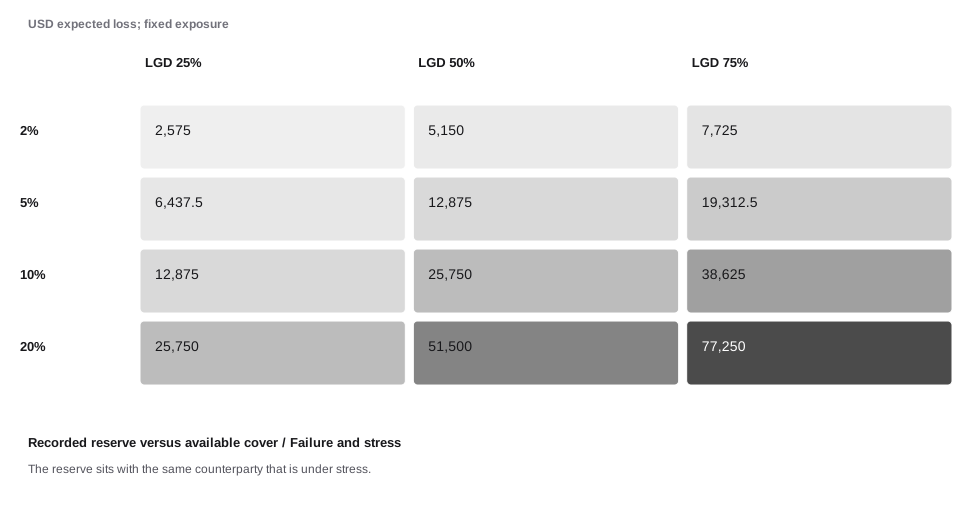
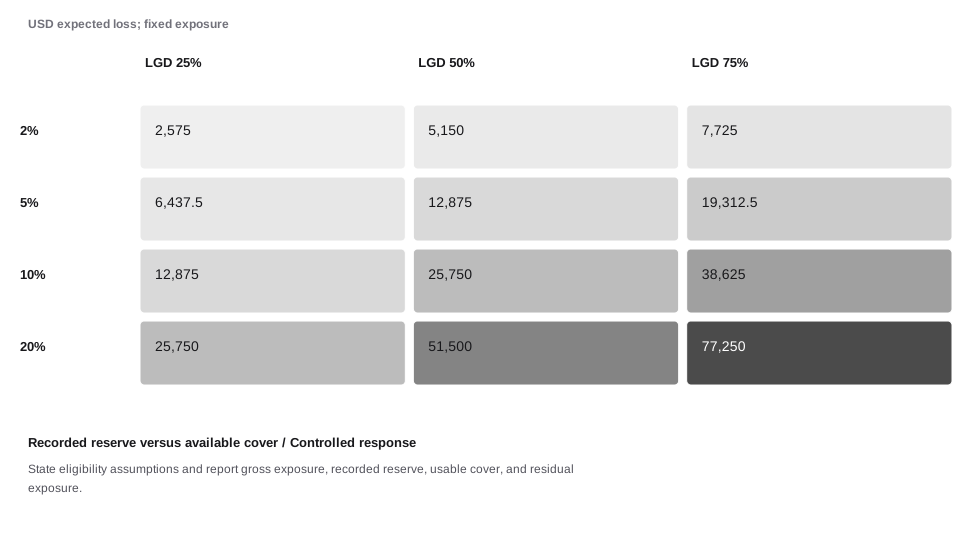
A concrete example. The ledger shows a reserve balance, but its usefulness depends on access, currency, legal rights, and competing claims. A reassuring balance may be unavailable when needed. The case has $515,000 of exposure. Its stated one-year PD and LGD imply $12,746.25 of expected loss, while the cover analysis leaves $292,000.00 of stress exposure. Monthly cash coverage is 1.33×. These are separate measures: one describes an average under probability assumptions, one describes available cover, and one describes a period’s funding capacity.
When the assumption fails. The reserve sits with the same counterparty that is under stress. State eligibility assumptions and report gross exposure, recorded reserve, usable cover, and residual exposure. The following worked sequence shows the reference condition, a stress condition, and a response condition with explicit synthetic data. These are comparative assumptions, not measured causal effects.
The ledger shows a reserve balance, but its usefulness depends on access, currency, legal rights, and competing claims. A reassuring balance may be unavailable when needed.
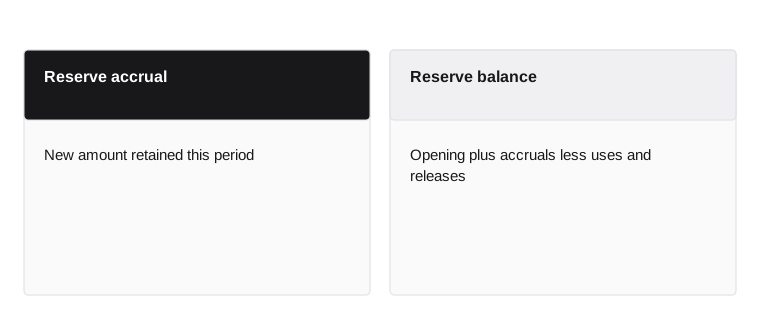
- Reserve accrual
- New amount retained this period
- Reserve balance
- Opening plus accruals less uses and releases
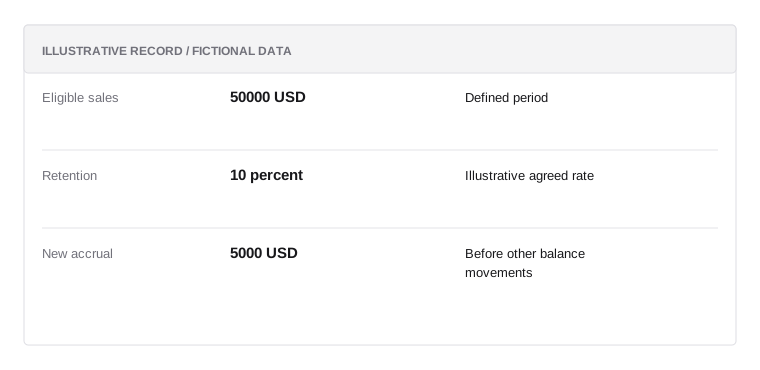
Reserve movement
Illustrative data; not a real customer record or a prescribed policy.
- Eligible sales50000 USD
Defined period
- Retention10 percent
Illustrative agreed rate
- New accrual5000 USD
Before other balance movements
A rate alone cannot describe the balance
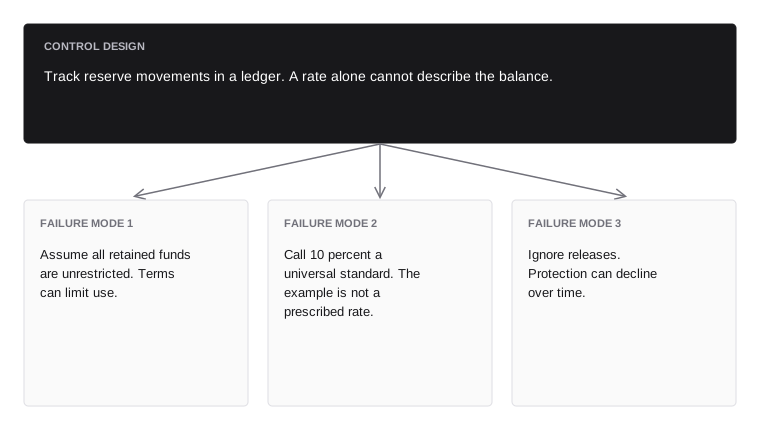
Track reserve movements in a ledger. A rate alone cannot describe the balance.
- Failure mode 1avoid
- Assume all retained funds are unrestricted. Terms can limit use.
- Failure mode 2avoid
- Call 10 percent a universal standard. The example is not a prescribed rate.
- Failure mode 3avoid
- Ignore releases. Protection can decline over time.
Use limits to bound exposure
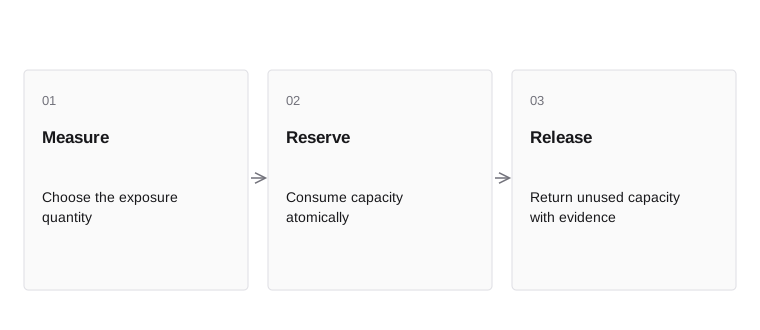
- MeasureChoose the exposure quantity
- ReserveConsume capacity atomically
- ReleaseReturn unused capacity with evidence
A volume limit, transaction limit, payout limit, and outstanding-exposure limit constrain different quantities. A daily sales cap may not control months of undelivered obligations. Choose the limit that matches the loss mechanism.
Enforce limits atomically when concurrent requests can consume the same capacity. If two workers each see $1,000 remaining and each release $800, a read-then-write design can exceed the limit. Use a transactional reservation and release unused capacity after resolution. Monitor both successful enforcement and false blocks caused by stale reservations.
Inside the mechanism. A limit needs a subject, unit, time window, and atomic consumption rule. Per-transaction, daily value, outstanding exposure, and destination limits constrain different risks. Concurrent requests must share the same authoritative capacity state. Include expiry, release, and reconciliation for reservations that never execute. A dashboard threshold that alerts after the limit is exceeded is a monitoring signal; it is not the same as a pre-effect capacity control.
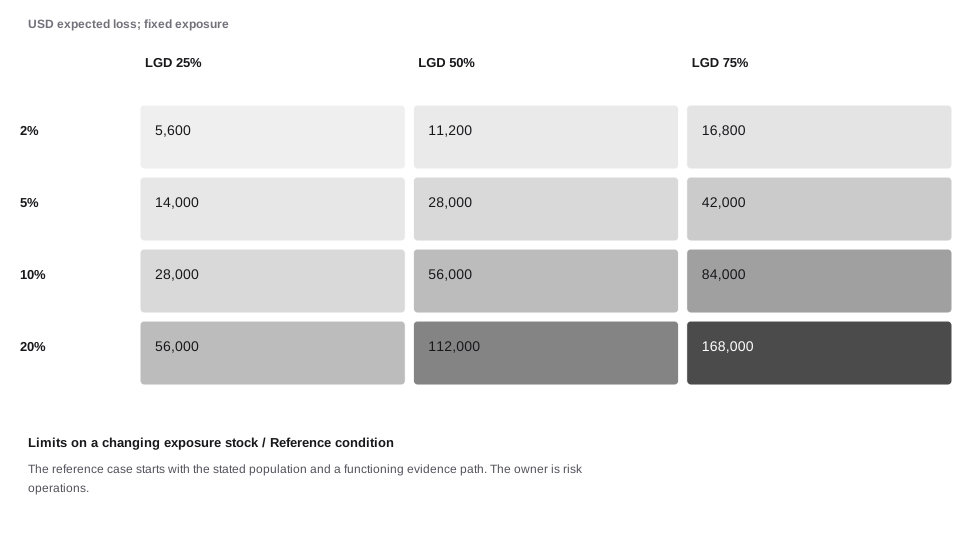
A concrete example. A processing limit controls one source of new exposure, while existing obligations continue to mature. The limit needs the right aggregation key and observation period. The case has $1,120,000 of exposure. Its stated one-year PD and LGD imply $24,640.00 of expected loss, while the cover analysis leaves $750,000.00 of stress exposure. Monthly cash coverage is 1.33×. These are separate measures: one describes an average under probability assumptions, one describes available cover, and one describes a period’s funding capacity.
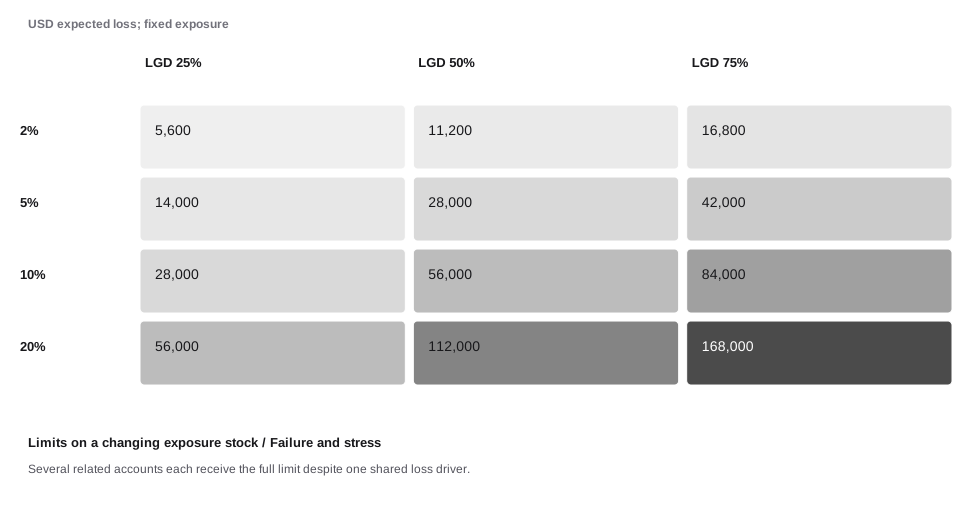
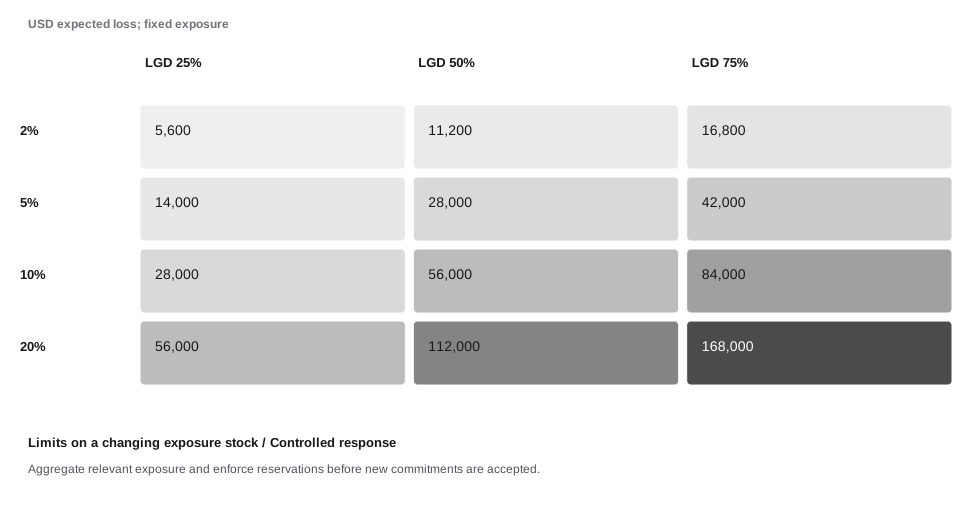
When the assumption fails. Several related accounts each receive the full limit despite one shared loss driver. Aggregate relevant exposure and enforce reservations before new commitments are accepted. The following worked sequence shows the reference condition, a stress condition, and a response condition with explicit synthetic data. These are comparative assumptions, not measured causal effects.
A processing limit controls one source of new exposure, while existing obligations continue to mature. The limit needs the right aggregation key and observation period.
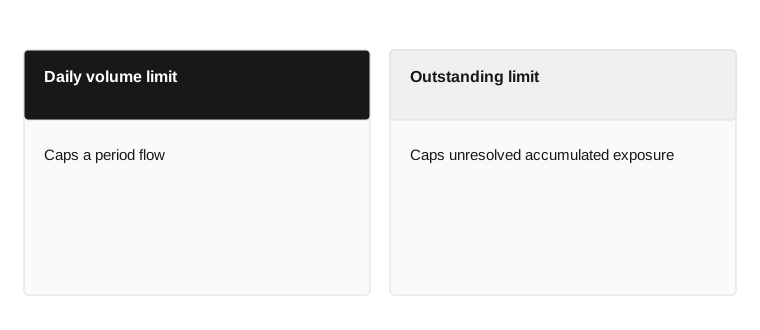
- Daily volume limit
- Caps a period flow
- Outstanding limit
- Caps unresolved accumulated exposure
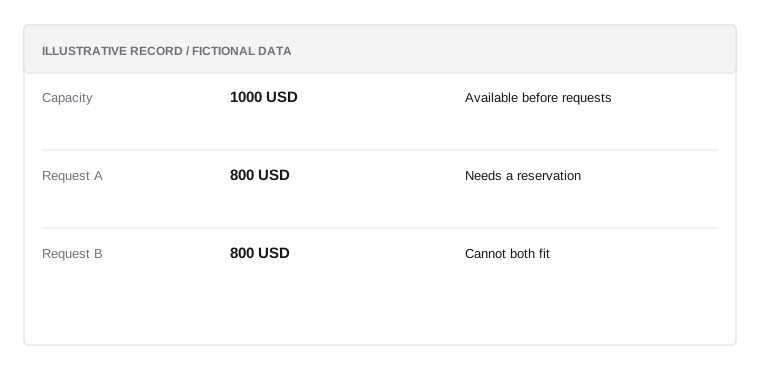
Concurrent release example
Illustrative data; not a real customer record or a prescribed policy.
- Capacity1000 USD
Available before requests
- Request A800 USD
Needs a reservation
- Request B800 USD
Cannot both fit
Concurrent decisions must see one consistent limit
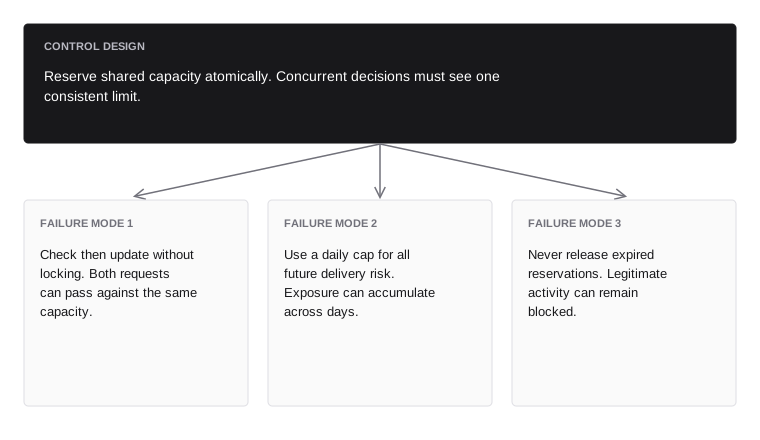
Reserve shared capacity atomically. Concurrent decisions must see one consistent limit.
- Failure mode 1avoid
- Check then update without locking. Both requests can pass against the same capacity.
- Failure mode 2avoid
- Use a daily cap for all future delivery risk. Exposure can accumulate across days.
- Failure mode 3avoid
- Never release expired reservations. Legitimate activity can remain blocked.
Match payout timing to customer promises
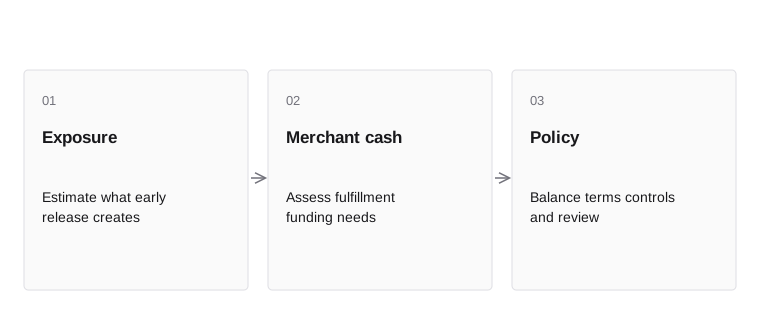
- ExposureEstimate what early release creates
- Merchant cashAssess fulfillment funding needs
- PolicyBalance terms controls and review
Payout timing shifts liquidity between the platform and merchant. Faster payouts can improve the merchant experience while increasing platform exposure. Delays can reduce exposure but may harm fulfillment if the merchant needs cash to buy goods.
Analyze both effects. A payout policy that starves a viable merchant can create the failure it was meant to prevent. Use evidence about delivery, funds availability, and the business model. Make the schedule and review process understandable. Any restriction must follow the agreement and applicable duties, with an accountable path for correction.
Inside the mechanism. Payout timing is part of the product promise and the risk structure. Delaying availability can reduce some funding exposure but may also reduce a merchant’s ability to fulfill. Compare the planned delay with the actual uncertainty and the business cash cycle. Explain the customer-visible states and expected next evidence. A hidden delay introduced by a broken control is different from a clearly stated and correctly implemented payout term.
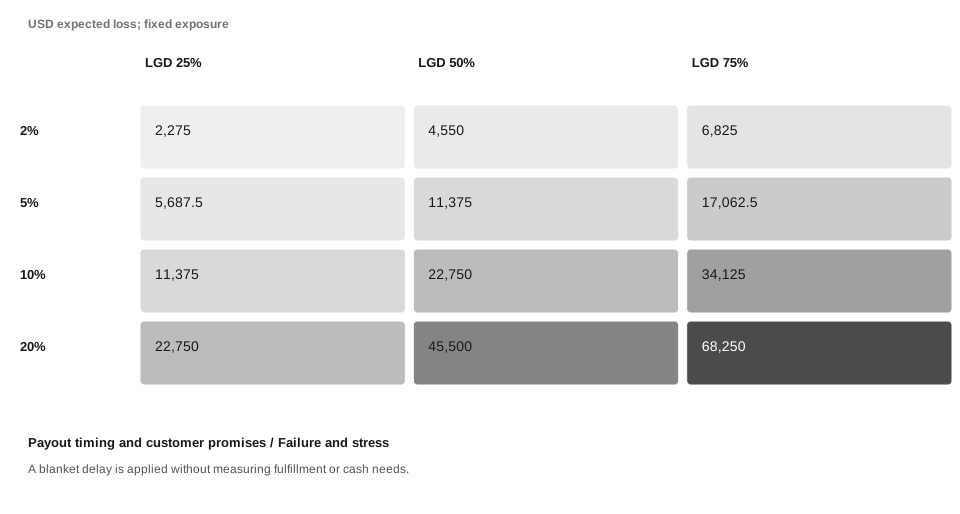
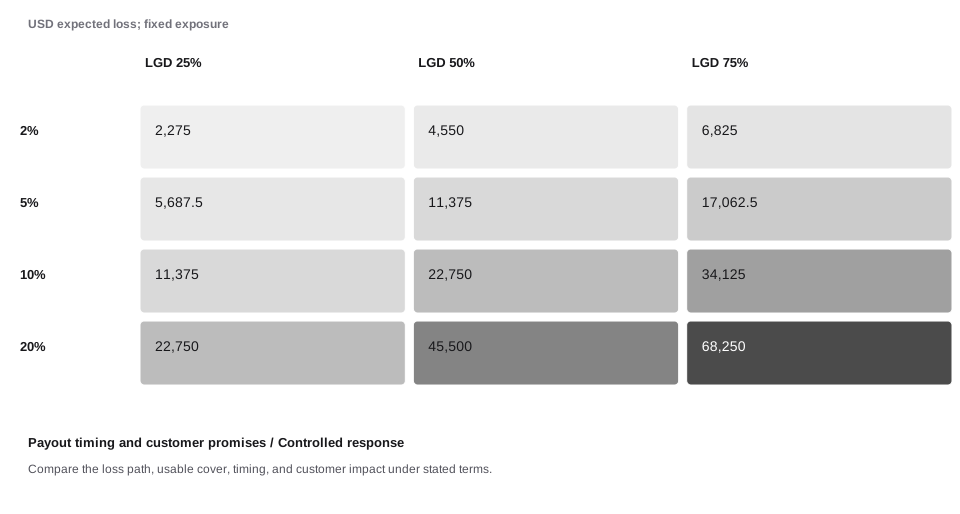
A concrete example. A merchant’s payout schedule interacts with delivery, refunds, and available resources. Delaying funds can reduce one exposure while creating operating pressure for a sound business. The case has $455,000 of exposure. Its stated one-year PD and LGD imply $8,008.00 of expected loss, while the cover analysis leaves $299,000.00 of stress exposure. Monthly cash coverage is 1.12×. These are separate measures: one describes an average under probability assumptions, one describes available cover, and one describes a period’s funding capacity.
When the assumption fails. A blanket delay is applied without measuring fulfillment or cash needs. Compare the loss path, usable cover, timing, and customer impact under stated terms. The following worked sequence shows the reference condition, a stress condition, and a response condition with explicit synthetic data. These are comparative assumptions, not measured causal effects.
A merchant’s payout schedule interacts with delivery, refunds, and available resources. Delaying funds can reduce one exposure while creating operating pressure for a sound business.
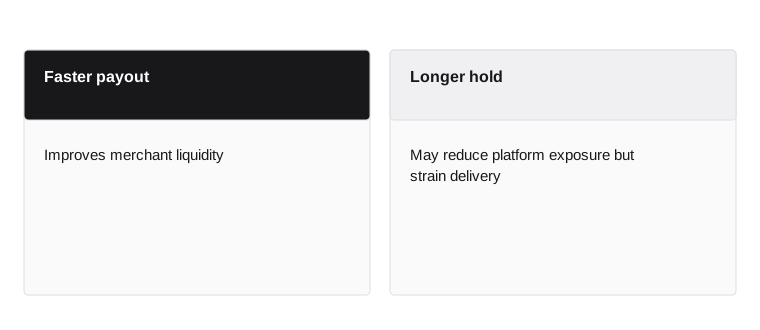
- Faster payout
- Improves merchant liquidity
- Longer hold
- May reduce platform exposure but strain delivery
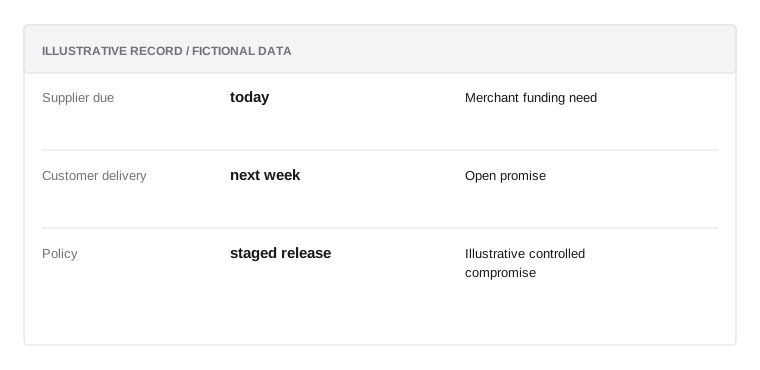
Payout tradeoff
Illustrative data; not a real customer record or a prescribed policy.
- Supplier duetoday
Merchant funding need
- Customer deliverynext week
Open promise
- Policystaged release
Illustrative controlled compromise
A cash restriction can change merchant behavior
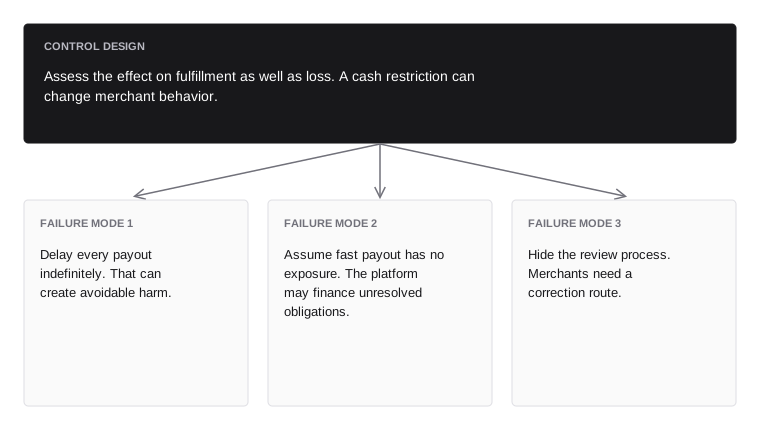
Assess the effect on fulfillment as well as loss. A cash restriction can change merchant behavior.
- Failure mode 1avoid
- Delay every payout indefinitely. That can create avoidable harm.
- Failure mode 2avoid
- Assume fast payout has no exposure. The platform may finance unresolved obligations.
- Failure mode 3avoid
- Hide the review process. Merchants need a correction route.
Stress available cover
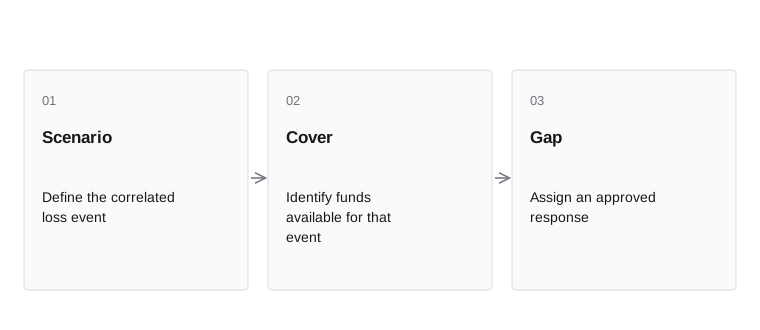
- ScenarioDefine the correlated loss event
- CoverIdentify funds available for that event
- GapAssign an approved response
Reserve adequacy depends on correlated loss, timing, legal availability, currency, and counterparty access. A reserve held by a failed or frozen partner may not be usable when needed. A reserve in another currency can change value.
Build a stress table that shows gross obligations, eligible cover, expected recoveries, and the remaining gap separately. Test the same reserve against one scenario at a time without allocating it twice. Assign a response to a breach: new exposure limits, funding action, merchant review, or another approved measure. A stress report without an action owner is only a description.
A reserve balance is useful cover only to the extent it is legally and operationally available for the relevant obligation. It may be denominated in another currency, subject to another claim, or held with a counterparty that is also stressed. State the eligibility rules before deducting cover from gross exposure. An exposure report can show gross obligations, recorded reserves, eligible cover, and remaining exposure as separate lines. This makes the assumptions visible and prevents a reassuring net total from hiding a fragile source of protection.
Inside the mechanism. Recognize cover only to the extent it is eligible, accessible, correctly valued, and available at the relevant time. Apply a stated haircut to uncertain recovery values and avoid assuming independence between collateral value and the borrower’s failure. A stressed receivable from the same failing counterparty may offer little practical protection. Show uncovered exposure separately from expected loss and from immediate cash shortfall.
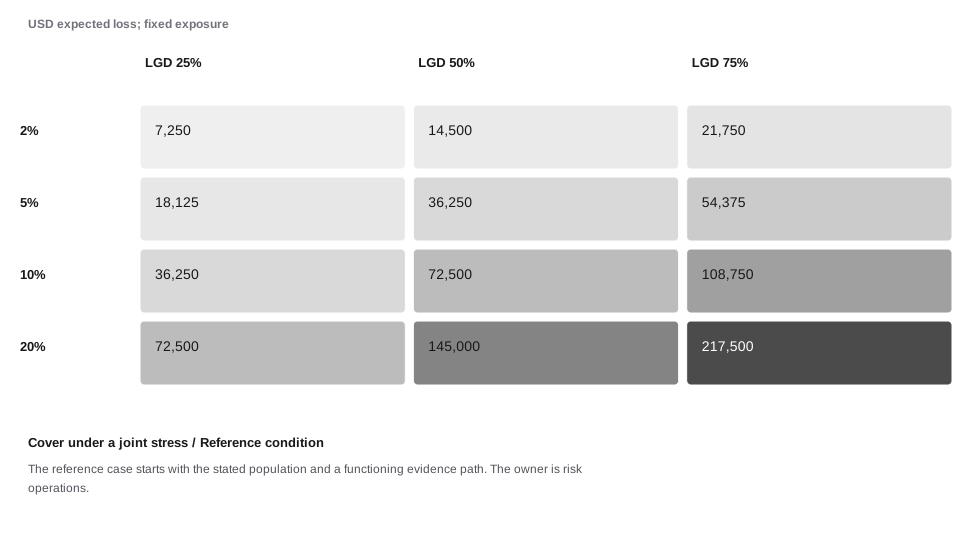
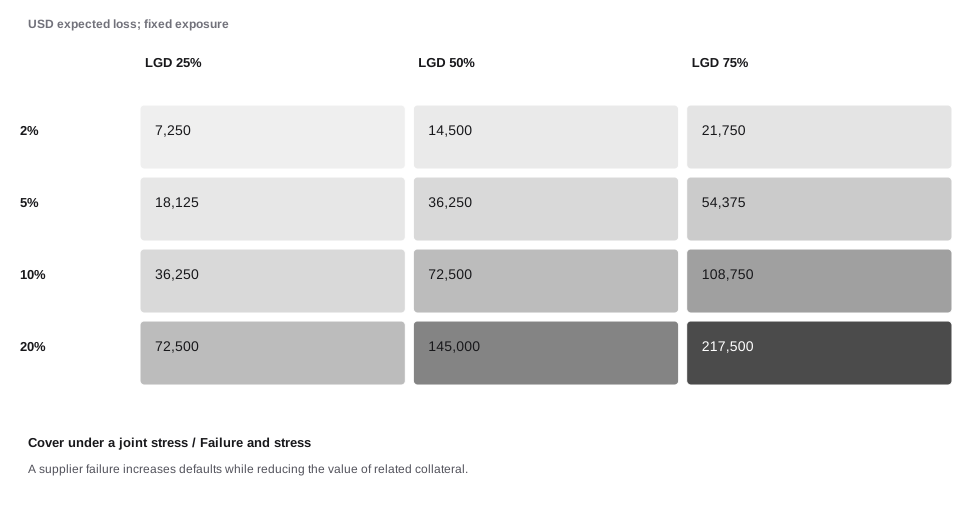
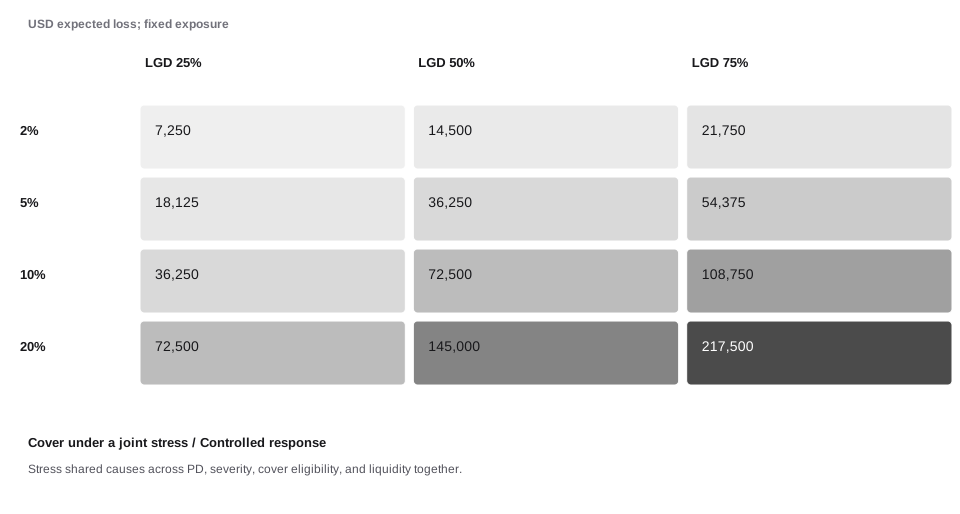
A concrete example. Collateral value, reserve access, and default risk can deteriorate together. Treating them as independent fixed averages can hide the combined loss path. The case has $1,450,000 of exposure. Its stated one-year PD and LGD imply $56,550.00 of expected loss, while the cover analysis leaves $776,000.00 of stress exposure. Monthly cash coverage is 1.14×. These are separate measures: one describes an average under probability assumptions, one describes available cover, and one describes a period’s funding capacity.
When the assumption fails. A supplier failure increases defaults while reducing the value of related collateral. Stress shared causes across PD, severity, cover eligibility, and liquidity together. The following worked sequence shows the reference condition, a stress condition, and a response condition with explicit synthetic data. These are comparative assumptions, not measured causal effects.
Collateral value, reserve access, and default risk can deteriorate together. Treating them as independent fixed averages can hide the combined loss path.
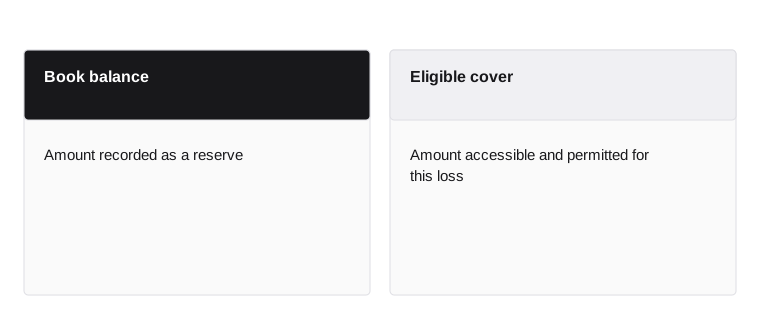
- Book balance
- Amount recorded as a reserve
- Eligible cover
- Amount accessible and permitted for this loss
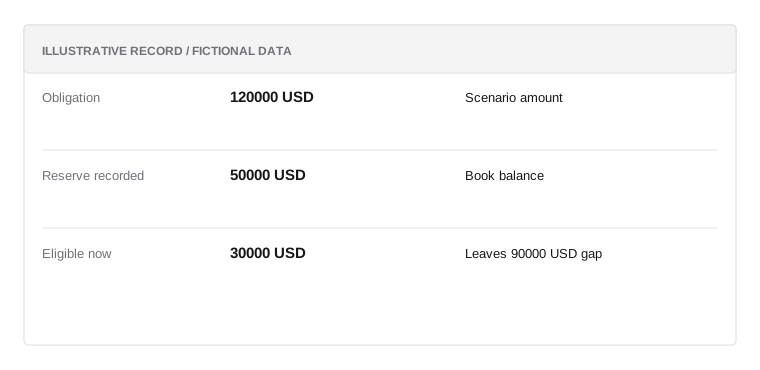
Stress coverage
Illustrative data; not a real customer record or a prescribed policy.
- Obligation120000 USD
Scenario amount
- Reserve recorded50000 USD
Book balance
- Eligible now30000 USD
Leaves 90000 USD gap
Recorded balance can overstate usable protection
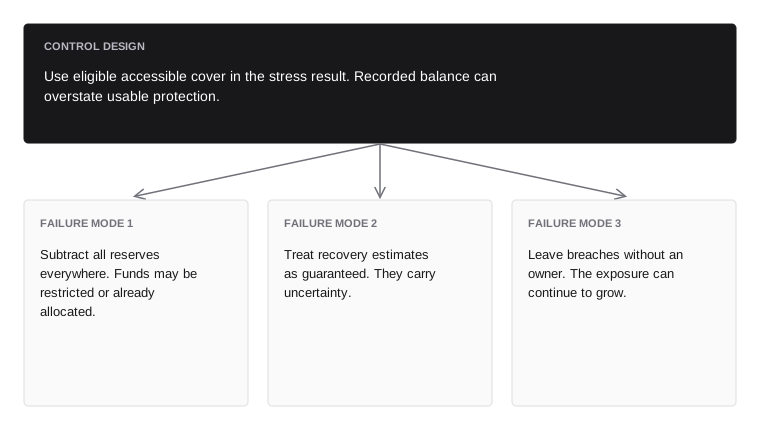
Use eligible accessible cover in the stress result. Recorded balance can overstate usable protection.
- Failure mode 1avoid
- Subtract all reserves everywhere. Funds may be restricted or already allocated.
- Failure mode 2avoid
- Treat recovery estimates as guaranteed. They carry uncertainty.
- Failure mode 3avoid
- Leave breaches without an owner. The exposure can continue to grow.
Chapter connections
This chapter builds on Cash-flow analysis and financial evidence. Continue with Portfolio monitoring and credit deterioration to follow the next part of the system. Use the glossary for terminology and risk mathematics for formulas and worked calculations.